
architectural glass panels
Understanding Linear Guide Rail Bearings A Comprehensive Overview Linear guide rail bearings are essential components in the realm of precision machinery and other industrial applications. They provide a mechanism for linear motion, enabling smooth and accurate movement of platforms, carriages, or machinery along a fixed path. With the increasing demand for automation and robotics, understanding the functionality, types, and applications of linear guide rail bearings becomes imperative. What Are Linear Guide Rail Bearings? Linear guide rail bearings consist of a set of guide rails and bearing blocks that work in conjunction to facilitate linear motion. The guide rails are typically made from high-strength materials such as steel or aluminum, ensuring durability and resistance to wear. The bearing blocks, which travel along the rails, are designed to carry loads and maintain precise alignment, minimizing friction and allowing for smooth movement. The primary function of these bearings is to support moving parts in a straight line while minimizing play and maximizing accuracy. This precision is crucial in various applications, from CNC machines to robotic arms and assembly lines. Types of Linear Guide Rail Bearings There are several types of linear guide rail bearings, each designed for specific applications and requirements 1. Ball Linear Guides These bearings use steel balls to reduce friction between the guide rails and the bearing blocks. They are widely used for their ability to handle light to moderate loads while providing excellent accuracy and motion smoothness. 2. Roller Linear Guides Unlike ball guides, roller linear guides employ cylindrical rollers, which can carry heavier loads and provide greater rigidity. They are ideal for applications where higher load capacities and longer service life are required. 3. Magnetic Linear Guides These innovative guides utilize magnetic levitation to eliminate contact between moving parts, significantly reducing friction and wear. They offer an almost frictionless motion, making them suitable for high-speed applications and environments requiring minimal maintenance. 4. Profiled Rails These guides feature a unique shape that maximizes contact area with the bearing blocks, providing superior load distribution and stability. They are commonly used in demanding applications where high precision is necessary. Applications of Linear Guide Rail Bearings Linear guide rail bearings are versatile components used in various industries, including linear guide rail bearing - Manufacturing In CNC machines, linear guides ensure accurate movement of cutting tools and workpieces, leading to high-quality machining outcomes . - Robotics Linear motion systems in robotic arms depend on guide rails to achieve precise positioning, essential for tasks such as welding, painting, or assembly. - Medical Equipment In medical devices, precision and reliability are paramount. Linear guides are utilized in applications like surgical tables and imaging systems to ensure accurate and smooth movement. - Automation Conveyor systems, pick-and-place machines, and automated storage systems all rely on linear guide rail bearings for effective and reliable operation. Choosing the Right Linear Guide Rail Bearing Selecting the appropriate linear guide rail bearing involves considering several factors - Load Capacity Determine the maximum load the bearing must support, including any dynamic loads during operation. - Speed Requirements Assess the speed at which the application will operate, as this influences the type of bearing that may perform best. - Precision Needs Consider the tolerances required for the application. High-precision systems may need profiled rails or specialized bearings. - Environmental Considerations In environments with dust, moisture, or extreme temperatures, corrosion-resistant materials or sealed bearings may be necessary. Conclusion Linear guide rail bearings play a critical role in the efficient operation of numerous machines and systems across a wide range of industries. Their ability to provide precise, low-friction linear motion makes them indispensable in applications where accuracy and reliability are crucial. By understanding the various types of linear guides and their respective applications, engineers and designers can make informed decisions that enhance the performance and longevity of their machinery. As technology continues to evolve, linear guides will undoubtedly remain a fundamental component of automated systems and modern manufacturing processes.
about
architectural glass panels
Understanding Snap Gauge Types A Comprehensive Guide Snap gauges, also known as snap gages or snap gauges, are essential precision measuring tools widely used in manufacturing and engineering sectors. These tools are specifically designed to measure the dimensions of an object, predominantly its external or internal features, such as diameter, width, height, and thickness. Understanding the different types of snap gauges is crucial for anyone involved in quality control, machining, or assembly processes. 1. Types of Snap Gauges There are several types of snap gauges, each tailored for specific measurement requirements - External Snap Gauges These are commonly used to measure the external dimensions of a component. They consist of two arms that snap around the object, providing a quick and accurate reading. External snap gauges are excellent for checking features like outer diameters and widths in production lines, where time and precision are paramount. - Internal Snap Gauges Unlike external snap gauges, internal snap gauges are designed to measure the internal dimensions of holes or bores. They feature a pair of arms that expand inward, allowing measurement of internal features like diameters and depths. Internal snap gauges are crucial in applications where the internal geometry of a part needs verification. - Gap Gauges These tools are specific snap gauges used for measuring the gaps or spaces between two components. They are particularly useful in industries where clearance is critical, such as automotive or aerospace. - Multi-Function Snap Gauges As the name suggests, these gauges can perform multiple measurement tasks, making them versatile tools in various applications. They often combine features to measure both internal and external dimensions, reducing the need for multiple tools. 2. Material and Design snap gauge types Snap gauges come in various materials, including steel, stainless steel, and specialized alloys, depending on their intended use. The design of snap gauges typically incorporates a handle for easy operation and a measurement scale for direct reading. More advanced digital snap gauges have been developed, offering electronic readouts and enhanced functionality, thus improving the accuracy and convenience of measurements. 3. Calibration and Accuracy Accuracy is a crucial aspect of snap gauges. Manufacturers must calibrate these tools regularly to maintain their precision. Calibration involves adjusting the gauge against a known standard to ensure that measurements remain consistent and reliable. Regular maintenance and calibration minimize measurement errors and enhance the overall quality of the measured components. 4. Applications of Snap Gauges Snap gauges are ubiquitous in manufacturing environments, particularly in quality control processes. They are commonly employed in industries such as automotive, aerospace, electronics, and metalworking. Their primary role is to ensure that components meet specified dimensions, thereby reducing waste and ensuring product reliability. In addition to manufacturing, snap gauges find applications in research and development. Engineers and scientists use them to measure prototypes and experimental designs, ensuring that their experiments yield accurate and reproducible results. 5. Conclusion In conclusion, snap gauges play a vital role in precision measurement across various industries. Understanding the different types—external, internal, gap, and multi-function snap gauges—equips professionals with the knowledge necessary to select the right tool for specific measurement tasks. Regular calibration and maintenance are essential for ensuring measurement accuracy. Overall, snap gauges are indispensable in maintaining quality standards and enhancing manufacturing processes, making them a critical component in the pursuit of technical excellence.
-

High quality industrial productsagement

High quality industrial products
View Details -

Meet the diverse needs of customers

Meet the diverse needs of customers
View Details -

Strict quality control

Strict quality control
View Details -

Top raw materials

Top raw materials
View Details -

Trusted supplier

Trusted supplier
View Details
Our application

news and information
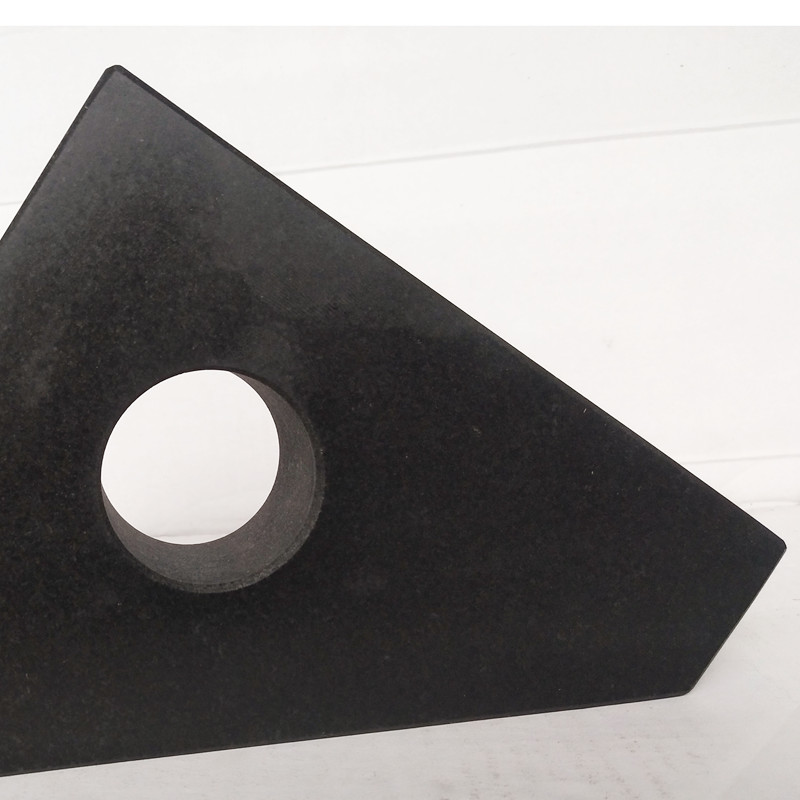
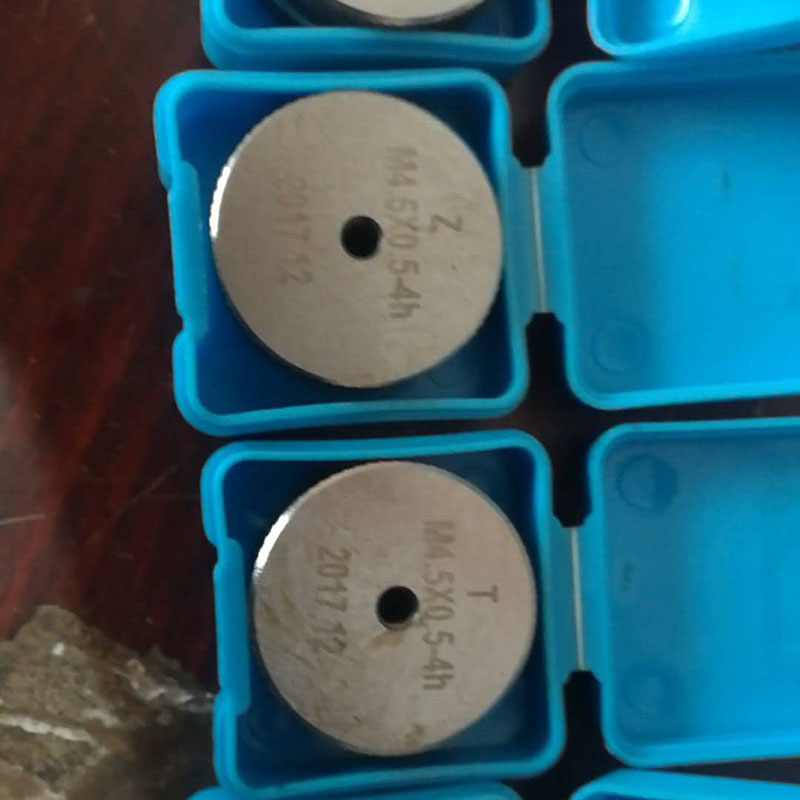
Using Thread Ring Gauge for Precision Measurement and Quality Assurance in Manufacturing
The Importance of a Thread Ring Gauge in Quality Control In the realm of engineering and manufacturi
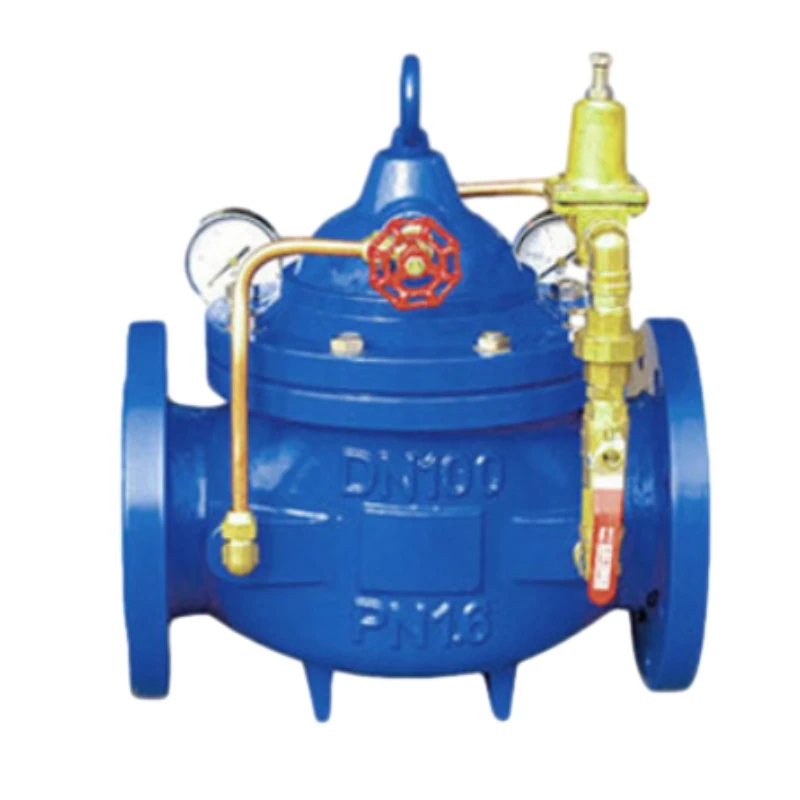
Y Type Water Strainer for Efficient Filtration and Flow Management Solutions
Understanding Y-Type Water Strainers A Key Component for Fluid Management Water strainers are critic

Y Type Strainer Applications and Benefits for Efficient Fluid Management
The Importance of Y-Type Strainers in Industrial Applications Y-type strainers play a crucial role i
 English